


Executive Chef — The Leader of the Kitchen


4
The executive chef is the highest-ranking culinary leader in a restaurant, hotel, resort, cruise ship or large food-service operation. This is a strategic leadership role focused on both culinary creativity and operational oversight.
Requirements
A strong background in professional kitchens, often 5–10+ years of experience including supervisory work. Formal culinary training or degree, food safety certifications, and strong management skills are usually required.
Key Responsibilities
The executive chef defines the culinary vision, designs menus, controls food costs and pricing, manages kitchen staff, hires and trains cooks and other food preparation workers, coordinates with service leaders and sometimes interacts with guests and media. They also oversee procurement, inventory, budgeting, and quality control across all meals and service.
Head Chef / Chef de Cuisine — The Operational Head


4
Also known as Chef de Cuisine, this role operates day-to-day kitchen execution. In larger operations, the executive chef leads overall strategy while the head chef runs daily output and team performance.
Requirements
Significant professional kitchen experience, strong leadership in high-volume or fine-dining environments, and excellent multitasking and organization skills.
Key Responsibilities
Overseeing food preparation, managing kitchen schedules, ensuring quality and consistency of dishes, training and mentoring junior chefs, helping set menus according to seasonal availability, and working closely with the sous and station chefs to ensure service flows smoothly.
Sous Chef — Second in Command


4
The sous chef supports both the executive and head chef and keeps the kitchen running smoothly every shift.
Requirements
Several years of kitchen experience, broad culinary skills, leadership ability, and often familiarity with inventory systems.
Key Responsibilities
Managing and supervising line cooks and station chefs, stepping in for the head chef during absences, coordinating food preparation timing, checking food quality, assisting with inventory and ordering, coaching junior cooks, and maintaining health and safety compliance.
Chef de Partie — Station Chef and Specialist



4
Chef de Partie translates to “station chef.” These chefs are specialists responsible for a specific area of the kitchen — grill, fish, pastry or cold kitchen, for example.
Requirements
Proven skill in a kitchen station, knowledge of recipes and technique for the specific area, and the ability to work independently at high speed.
Key Responsibilities
Executing dishes on their station, maintaining mise en place, training demi-chefs or cooks on their station, managing portions and timing, keeping the station clean and organized, and collaborating with the sous chef to coordinate service.
Line Cook / Cook — Execution & Preparation


4
Line cooks and cooks are the backbone of the kitchen. They prepare food, follow recipes, and ensure each plate meets the chef’s standards under time pressure.
Requirements
Culinary training or practical experience, ability to follow recipes precisely, knowledge of kitchen safety and hygiene, and teamwork skills.
Key Responsibilities
Chopping, cooking, assembling dishes, replenishing ingredients, keeping cleanup and prep done efficiently, and supporting station chefs during service. Front-line tasks vary from grill cook to sauté cook, cold-food cook, and breakfast cook.
Prep Cook / Commis Chef — Entry Level Culinary Work


4
Prep cooks, often also called commis chefs, handle essential preparation that makes the station cooks and chefs’ jobs possible.
Requirements
Entry-level experience, basic cooking knowledge, willingness to learn, physical stamina, and food safety knowledge.
Key Responsibilities
Washing and preparing ingredients, portioning produce, cutting vegetables, prepping stocks and sauces, organizing tools and supplies, and assisting cooks and station chefs. This role is foundational for moving up in the kitchen hierarchy.
Pastry Chef — Dessert & Baking Specialist


4
Pastry chefs focus on sweet creations and baked goods. This role requires technical precision and creativity.
Requirements
Training in pastry, baking techniques, knowledge of temperature and timing precision, and often a culinary or specialized pastry education.
Key Responsibilities
Developing dessert menus, preparing pastries and breads, managing specialty stations, ensuring quality and presentation, and ordering baking supplies. They may also collaborate with the main kitchen team for plated desserts that accompany tasting menus.
Garde Manger — Cold Kitchen Specialist


4
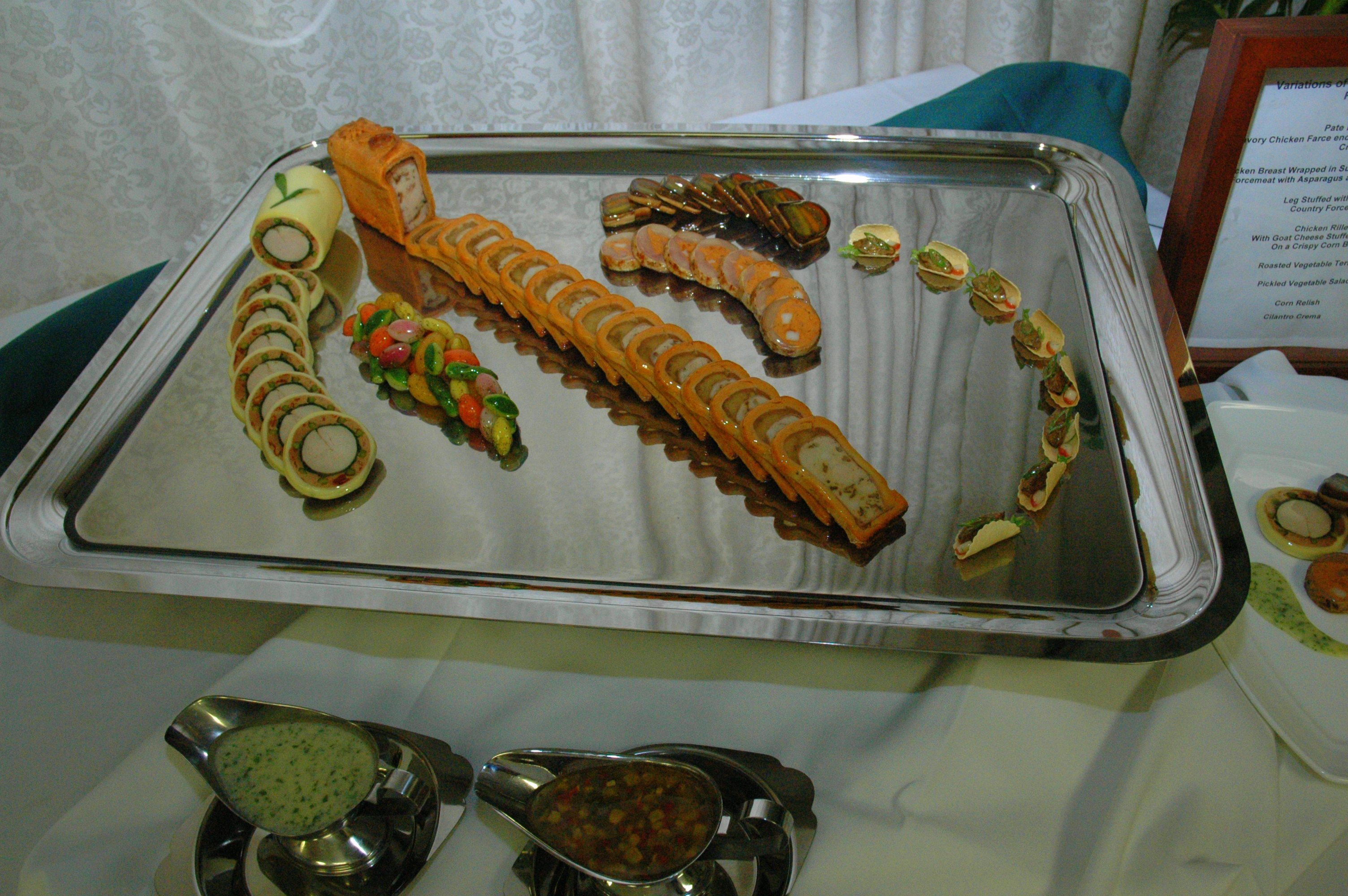
The garde manger chef is responsible for cold foods — salads, appetizers, terrines and decorative presentations.
Requirements
Detailed knowledge of cold preparation techniques, creativity for plating, and understanding of temperature control.
Key Responsibilities
Assembling cold dishes, arranging buffet or cold displays, preparing hors d’oeuvres and canapés, managing refrigeration stations, and maintaining quality standards.
Kitchen Manager / Culinary Operations Leader


4
This role blends culinary leadership with operations. It may exist in larger restaurants, hotels, corporate foodservice or catering companies.
Requirements
Experience managing staff, strong understanding of kitchen workflows, cost control, ordering systems, and sometimes formal business skills.
Key Responsibilities
Overseeing day-to-day kitchen logistics, inventory and ordering, scheduling staff, coordinating between service and back-of-house, enforcing safety standards, and assisting with policy implementation.
Executive Sous Chef / Senior Management Chefs


4
In large establishments, executive sous chefs help bridge the gap between operations and executive leadership.
Requirements
High culinary expertise, ability to manage diverse teams, and experience supporting executive chef directives.
Key Responsibilities
Managing kitchen during peak service, overseeing major staff groups, refining menu execution, helping train other chefs, and handling administrative duties with the head chef.
Specialty Chef Roles — Catering, Private, Hotel & Cruise
In the U.S., chefs also work in private households, cruise lines, hotel kitchens, corporate catering, institutional food service and luxury events. Roles include private chef, banquet chef, cruise chef, hotel chef, catering kitchen leader, and corporate culinary director. Employers look for flexibility, travel readiness, diverse cuisine skill sets, and often hospitality credentials.
General Requirements Across USA Chef Jobs
Almost all chef roles in the U.S. share key requirements:
Hospitality experience and culinary training or certifications.
Knowledge of food safety and sanitation standards.
Ability to work under pressure and long shifts.
Strong communication and teamwork skills.
Understanding of kitchen safety, sanitation, and quality control.
For senior roles, menu planning, cost control, staff training, and leadership experience are essential.
Typical Responsibilities in a Professional Kitchen
Planning menus and specials based on seasonal ingredients.
Supervising culinary staff and assigning station duties.
Monitoring food quality and consistency across all dishes.
Maintaining inventory, ordering supplies, and controlling waste.
Ensuring compliance with health codes and safety regulations.
Training new kitchen team members and mentoring less experienced cooks.
Collaborating with front-of-house teams for seamless service delivery.