


The Story Behind the Transformation of Nuthatch Kitchen and Terrace

4
Introduction
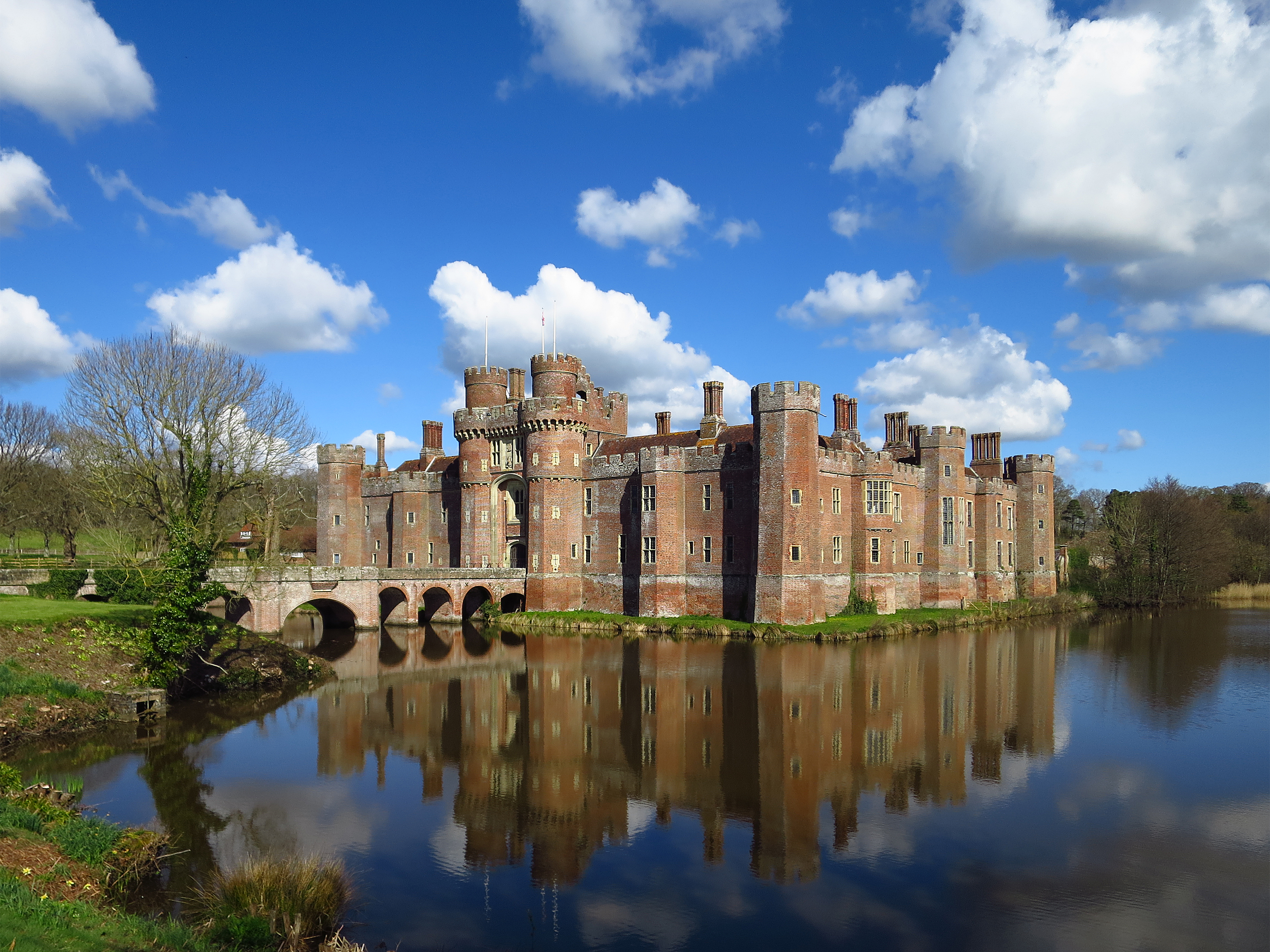
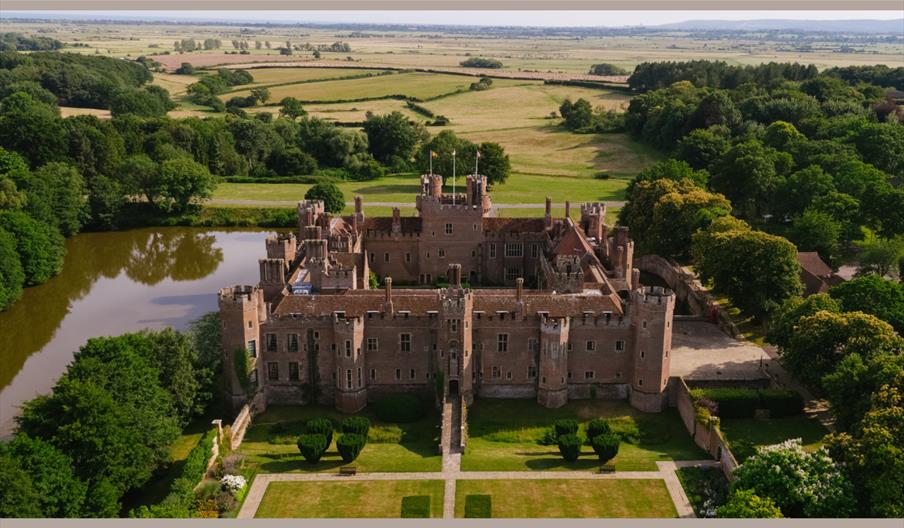
Nestled in the picturesque countryside of East Sussex, Herstmonceux Castle stands as one of England’s most remarkable historic estates. Known for its red-brick medieval architecture, expansive gardens, and rich cultural heritage, the castle has long been a beloved destination for visitors, historians, and tourists alike.
For many guests, a visit to the estate is not only about exploring the castle and its grounds but also about enjoying the relaxing atmosphere of its café and shop. However, earlier this year, the estate faced significant controversy when the management decided to close its on-site café due to financial losses.
The decision sparked widespread disappointment among visitors, local residents, and hospitality supporters. In response to the public reaction, the estate reversed its decision and announced a new chapter for the café with the introduction of a new catering partner.
Today, the venue has been reborn as Nuthatch Kitchen and Terrace, operated by hospitality company Seasoned. This transformation marks an important moment in the estate’s hospitality story, bringing fresh ideas, new culinary experiences, and a renewed commitment to visitors.
The Historic Legacy of Herstmonceux Castle


4
The story of Herstmonceux Castle dates back to the 15th century. Built in the 1440s by Sir Roger Fiennes, the castle is widely recognized as one of the earliest significant brick buildings constructed in England.
Unlike traditional stone castles of the medieval period, Herstmonceux Castle was built primarily from brick, giving it its distinctive red appearance. This architectural choice marked an important shift in English castle construction.
Over the centuries, the estate has served various purposes, including being a private residence, an astronomical observatory, and an educational center. Today, the castle forms part of an international study center and cultural venue that hosts events, weddings, conferences, and public tours.
Visitors travel from across the United Kingdom and around the world to experience the historic atmosphere of the estate. Walking through its gardens, exploring the medieval halls, and attending cultural events all contribute to the castle’s enduring appeal.
However, like many historic sites, maintaining the estate requires significant resources, and hospitality facilities such as cafés and shops play a crucial role in supporting the visitor experience.
The Unexpected Closure of the Castle Café


4
At the beginning of the year, the management of Herstmonceux Castle announced that its on-site café and shop would be closing. According to estate officials, the venue had been operating at a considerable financial loss and could no longer continue under its existing structure.
The announcement came as a surprise to many regular visitors and local residents who had grown accustomed to stopping by the café during visits to the gardens and castle grounds.
For families, tourists, and wedding guests, the café had become an integral part of the visitor experience. It offered a place to relax, enjoy refreshments, and take in the scenic views of the surrounding countryside.
Despite its popularity, the financial challenges faced by the café made it difficult to sustain operations. Rising operational costs, staffing challenges, and fluctuating visitor numbers all contributed to the decision.
When the closure was confirmed in January, many visitors expressed disappointment. For some, the café was more than just a dining venue—it was a place where memories were made during visits to the historic estate.
Public Reaction and Community Response


4
The closure of the café quickly sparked public reaction across East Sussex and beyond. Local residents, tourism advocates, and regular visitors voiced their concerns about losing an important facility at the castle.
For many people in the region, Herstmonceux Castle represents more than just a tourist attraction—it is a cherished cultural landmark. The café played an important role in making the estate welcoming and accessible to visitors of all ages.
The public response included discussions on social media, letters of concern, and calls for the estate to reconsider its decision. Visitors argued that removing the café would negatively impact the overall visitor experience.
Recognizing the strength of public sentiment, the estate management took notice. Within weeks, discussions began about how the café could potentially reopen under a different operational model.
This period of reflection ultimately led to a major turning point in the story of the castle’s hospitality operations.
The Decision to Reopen the Café


4
In February, the estate made a significant announcement. After reconsidering the closure and exploring new operational strategies, the management confirmed that the café would reopen on 25 February.
The reopening was made possible through a partnership with hospitality specialists who could bring new experience and operational expertise to the venue.
The move represented a major shift in strategy. Rather than running the café directly, the estate chose to collaborate with a catering company capable of revitalizing the space and delivering a fresh hospitality concept.
This decision was welcomed by many visitors who had hoped to see the café return.
However, the reopening also sparked new conversations, particularly regarding staffing changes and the future direction of the venue.
The Arrival of Seasoned as the New Catering Partner


4
The estate selected the hospitality company Seasoned as the new catering partner responsible for managing the café operations.
Seasoned is known in the hospitality industry for operating dining venues at historic sites, museums, and event spaces across the United Kingdom. Their experience in managing catering services at heritage venues made them a strong candidate for the role.
Paul Boon, the company’s chief venues officer, expressed enthusiasm about the opportunity.
He described Herstmonceux Castle as an extraordinary venue with remarkable history and a sense of occasion that makes it ideal for hospitality experiences.
Seasoned’s role extends beyond simply running a café. The company plans to develop the space as a welcoming environment for visitors while also supporting events across the estate.
This includes working with couples celebrating weddings at the castle and collaborating with local food producers to highlight regional ingredients.
Introducing the Nuthatch Kitchen and Terrace


4
With the new management came a new identity for the café.
The venue has been renamed Nuthatch Kitchen and Terrace, a name inspired by the small birds known as nuthatches that inhabit the estate’s ancient woodland.
The name reflects the estate’s connection to nature and wildlife, emphasizing the peaceful environment surrounding the castle.
The concept behind the Nuthatch Kitchen and Terrace focuses on creating a relaxed, welcoming atmosphere where visitors can enjoy fresh food and drinks while taking in the beauty of the estate.
Outdoor seating on the terrace allows guests to dine while overlooking the gardens and woodland areas.
The design and menu aim to complement the historic surroundings while offering modern hospitality standards.
The Role of Food in the Castle Visitor Experience


4
Food plays an important role in enhancing the visitor experience at heritage sites like Herstmonceux Castle.
After exploring historic buildings and gardens, visitors often look for places where they can relax and enjoy refreshments.
The Nuthatch Kitchen and Terrace aims to provide a menu that highlights fresh ingredients and seasonal dishes.
Options may include freshly baked pastries, light lunches, sandwiches, salads, cakes, and locally sourced beverages.
Afternoon tea experiences may also become part of the offering, allowing guests to enjoy traditional British hospitality in a historic setting.
By focusing on quality ingredients and welcoming service, the new café hopes to become a destination in its own right.
Supporting Weddings and Special Events


4
Herstmonceux Castle is already known as a popular venue for weddings and special celebrations.
The arrival of Seasoned as the catering partner opens new possibilities for event dining experiences at the estate.
Couples choosing the castle as their wedding venue may benefit from expanded catering services that include custom menus and event dining setups.
The Nuthatch Kitchen and Terrace can also serve as a gathering space for guests attending weddings, conferences, and cultural events hosted on the estate.
These opportunities strengthen the connection between hospitality and heritage tourism.
Conclusion
The story of the café at Herstmonceux Castle reflects the challenges and opportunities faced by many historic venues.
Financial pressures initially forced the estate to close its café and shop, but the strong response from visitors demonstrated just how important the space was to the community.
By partnering with Seasoned and introducing the Nuthatch Kitchen and Terrace, the castle has created a new chapter for its hospitality offerings.
The reopening represents not only the revival of a café but also the continuation of a tradition that brings visitors together in one of England’s most beautiful historic settings.
As the Nuthatch Kitchen and Terrace begins welcoming guests, it symbolizes the power of community voices, thoughtful hospitality partnerships, and the enduring appeal of places like Herstmonceux Castle.