


Investing in a commercial kitchen is one of the most important steps for anyone entering the food and hospitality industry. Whether you are opening a restaurant, cloud kitchen, catering company, bakery, or food production facility, a well-designed commercial kitchen is the foundation of a successful food business. The right investment in kitchen infrastructure not only improves food quality but also increases efficiency, safety, and long-term profitability.
A commercial kitchen is very different from a residential kitchen. It is designed to handle high volumes of food preparation, strict health regulations, and professional cooking equipment. Investors planning to build or purchase a commercial kitchen must consider factors such as location, equipment costs, kitchen design, licensing requirements, and operational efficiency.
What is a Commercial Kitchen?


A commercial kitchen is a professionally designed cooking environment used by restaurants, hotels, catering businesses, food trucks, and cloud kitchens. These kitchens are equipped with heavy-duty appliances and specialized workstations to support large-scale food production.
Unlike home kitchens, commercial kitchens include equipment such as industrial ovens, commercial refrigerators, food preparation stations, dishwashing areas, and ventilation systems. These facilities are designed to maintain hygiene standards while allowing chefs to prepare food quickly and efficiently.
Commercial kitchens must follow strict food safety regulations established by local health departments. This includes proper ventilation, sanitation systems, and temperature-controlled storage areas for food safety.
Types of Commercial Kitchens for Investment


4
There are several types of commercial kitchens depending on the type of food business being operated.
Restaurants usually require a full-service commercial kitchen with separate stations for grilling, frying, baking, and food preparation. These kitchens support dine-in services and often include multiple cooking lines to handle large orders.
Cloud kitchens have become extremely popular in recent years. These kitchens focus on food delivery services and usually operate multiple brands from a single location. Because they do not require dining space, cloud kitchens can be highly profitable and cost-efficient.
Hotel kitchens are typically much larger and more complex. They support restaurants, banquets, room service, and catering events. These kitchens require advanced equipment and specialized staff to manage large-scale food production.
Bakery kitchens focus on baking equipment such as ovens, dough mixers, proofers, and pastry workstations. These kitchens require temperature control and precision to produce consistent baked goods.
Catering kitchens are designed for preparing food in bulk for events such as weddings, conferences, and corporate functions.
Cost of Setting Up a Commercial Kitchen


4
The cost of setting up a commercial kitchen varies depending on size, location, and equipment quality. Small cloud kitchens may cost between $20,000 and $60,000 to set up, while full-service restaurant kitchens can cost between $100,000 and $500,000 or more.
Major expenses include kitchen equipment, ventilation systems, refrigeration units, plumbing installation, electrical upgrades, and interior construction. Stainless steel workstations, cooking ranges, ovens, fryers, and dishwashers represent the largest portion of the investment.
High-end restaurants often invest heavily in premium kitchen equipment to ensure durability and efficiency. Although these systems require a larger initial investment, they often reduce long-term maintenance costs and improve productivity.
Essential Equipment for Commercial Kitchens


4
Every commercial kitchen requires essential equipment that supports food preparation, cooking, and cleaning operations.
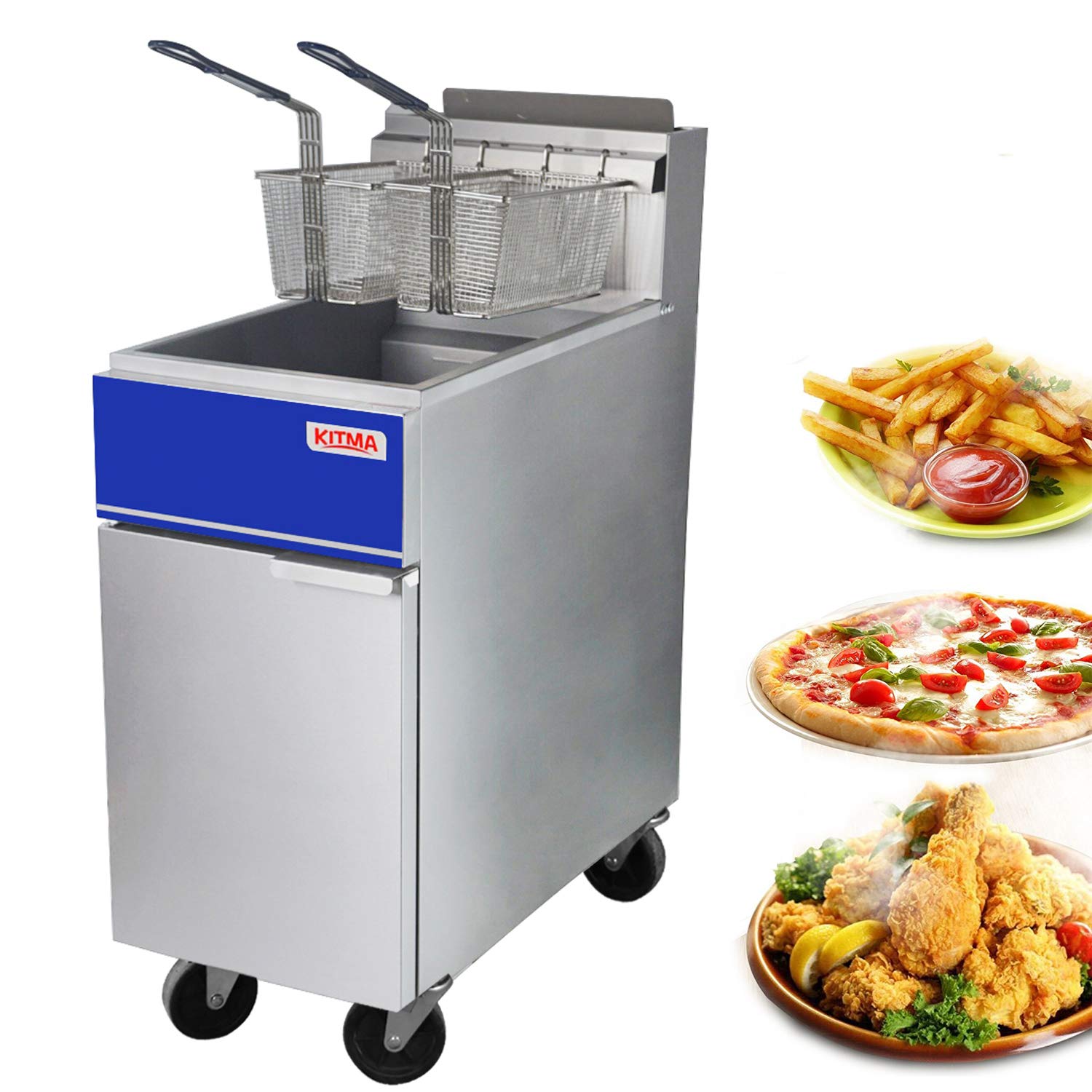
Cooking equipment is the most important part of the kitchen. This includes commercial gas ranges, ovens, grills, and fryers. These appliances must be powerful enough to handle continuous cooking during busy service hours.
Refrigeration equipment is equally important for food safety. Commercial refrigerators and freezers maintain proper temperatures for storing meat, vegetables, dairy products, and prepared foods.
Preparation stations provide work surfaces where chefs can chop vegetables, prepare ingredients, and assemble dishes. Stainless steel countertops are widely used because they are durable and easy to sanitize.
Dishwashing systems are required to maintain hygiene standards. Most commercial kitchens use high-capacity dishwashers capable of cleaning hundreds of plates and utensils per hour.
Designing an Efficient Commercial Kitchen Layout


4
An efficient kitchen layout is essential for smooth restaurant operations. A well-designed kitchen allows chefs to move quickly between stations while minimizing accidents and delays.
Most commercial kitchens follow a workflow design that separates different food preparation stages. For example, raw ingredients move from storage areas to preparation stations, then to cooking lines, and finally to plating stations before being served.
Proper spacing between cooking equipment is also necessary to ensure safety and comfort for kitchen staff. Ventilation systems must be installed above cooking stations to remove smoke, heat, and grease.
Lighting is another important element of kitchen design. Bright lighting improves visibility and helps chefs maintain high standards of food preparation.
Health and Safety Regulations for Commercial Kitchens


4
Commercial kitchens must follow strict health and safety regulations to protect customers and employees. Local health departments regularly inspect restaurants to ensure compliance with food safety laws.
Kitchens must maintain proper sanitation standards. All surfaces must be cleaned regularly, and food preparation areas must be separated to prevent cross-contamination.
Temperature control is critical for preventing foodborne illnesses. Refrigerators and freezers must maintain safe temperatures, and cooked foods must be stored correctly.
Employees must also follow hygiene practices such as wearing gloves, hair coverings, and clean uniforms while handling food.
Profit Potential of Commercial Kitchen Investments


4
Investing in a commercial kitchen can be extremely profitable if managed correctly. Restaurants, cloud kitchens, and catering businesses can generate strong revenues by serving large volumes of customers.
Cloud kitchens in particular have become popular because they eliminate the cost of dining areas while focusing on delivery platforms such as Uber Eats, DoorDash, and Swiggy.
Many entrepreneurs also rent commercial kitchens to multiple food brands, creating a shared kitchen model that generates recurring rental income.
With the global demand for restaurant dining and food delivery continuing to grow, commercial kitchens remain one of the most attractive investments in the hospitality industry.
Future of Commercial Kitchens


4
The future of commercial kitchens is being shaped by technology and innovation. Many modern kitchens now use smart appliances that monitor cooking temperatures and automate certain tasks.
Robotic cooking systems and artificial intelligence are also being introduced to improve efficiency in large-scale kitchens.
Sustainability is another growing trend. Restaurants are investing in energy-efficient equipment, waste reduction systems, and eco-friendly kitchen designs.
As the food industry continues to evolve, commercial kitchens will remain the heart of the hospitality business.